
ECtHR: A journalist’s conviction for disclosing confidential information may deter journalists from informing the public on matters of public interest. And the press may no longer be able to play its vital role as a “public watchdog” and its ability to provide accurate and reliable information may be affected.
Freedom of the press gains even greater importance when state activities and decisions escape democratic or judicial scrutiny due to their confidential or secret nature. A journalist’s conviction for disclosing information considered confidential or secret can deter those working in the media from informing the public on matters of public interest. Consequently, the press may no longer be able to play its vital role as “public watchdog”, and the press’s ability to provide accurate and reliable information may be negatively affected (see Stoll/Switzerland, 2007, pr.110; Goodwin / United Kingdom, 1996, pr.39).
According to the ECtHR, news is a perishable, rapidly aging product, and preventing its publication, even for a short period, can deprive it of all its value and utility. Therefore, any interference with news is only permissible if strong and compelling reasons exist.
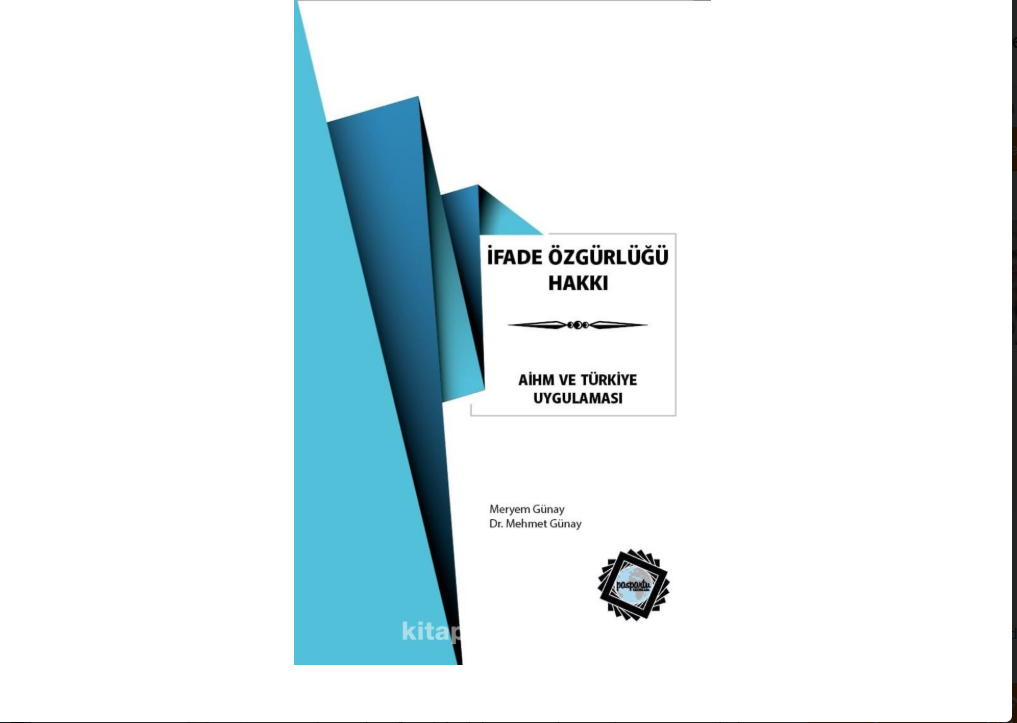
The importance of the press in the functioning of democracy necessitates more sensitive and stricter scrutiny of interventions targeting press freedom. This is because news is a product that quickly becomes outdated and loses its relevance. Therefore, it is clear that delaying or preventing the publication of news, even for a very short period, through an unjustified intervention, will cause that news to lose its freshness and diminish its importance and benefit. In this regard, the ECtHR seeks strong and compelling reasons for the necessity of any measure that results in limiting or prohibiting access to news that the public has a right to know. (See Observer and Guardian/United Kingdom, 1991, pr.59-60; Times Newspapers Ltd/United Kingdom, No. 1 and 2, 2009, pr.41) A book recommendation.
Why is Expert Legal Support Necessary?
Decisions by the European Court of Human Rights (ECtHR) reveal that sanctions preventing journalists from sharing information on matters of public interest can weaken the press’s “public watchdog” role (Stoll/Switzerland, 2007; Goodwin/United Kingdom, 1996). Freedom of the press is of critical importance in the functioning of democracy, and because news items are products that quickly become outdated, even short-term interventions can diminish the value of information (Observer and Guardian/United Kingdom, 1991; Times Newspapers Ltd/United Kingdom, 2009).
For individuals wishing to make an individual application in Istanbul and Tuzla, ECHR processes are quite technical and complex. Expert lawyer support ensures the application is prepared correctly and effectively, protects rights against violations such as the blocking or delaying of news, and monitors the implementation of court decisions.
Thus, individual application rights are guaranteed at both theoretical and practical levels; citizens can effectively defend their rights before the Constitutional Court (AYM) and the ECHR. In Istanbul and Tuzla, an experienced lawyer plays a critical role in managing the complexity of the process and preventing legal errors.