6306 What is Law No. 6306? Purpose, Scope and Basic Concepts
Law No. 6306 on the Transformation of Areas Under Disaster Risk, was adopted on 16/05/2012 and entered into force upon its publication in the Official Gazette dated 31/05/2012. The main purpose of the Law is to determine the procedures and principles of improvement, liquidation, and renewal processes to create safe and healthy living environments in accordance with scientific and artistic rules, in areas under disaster risk and on lands and plots where risky structures are located outside these areas. The Law regulates a broad protection and intervention system that covers not only earthquake risk but also disaster hazards such as ground displacement, landslides, floods, severe damage, and similar events.
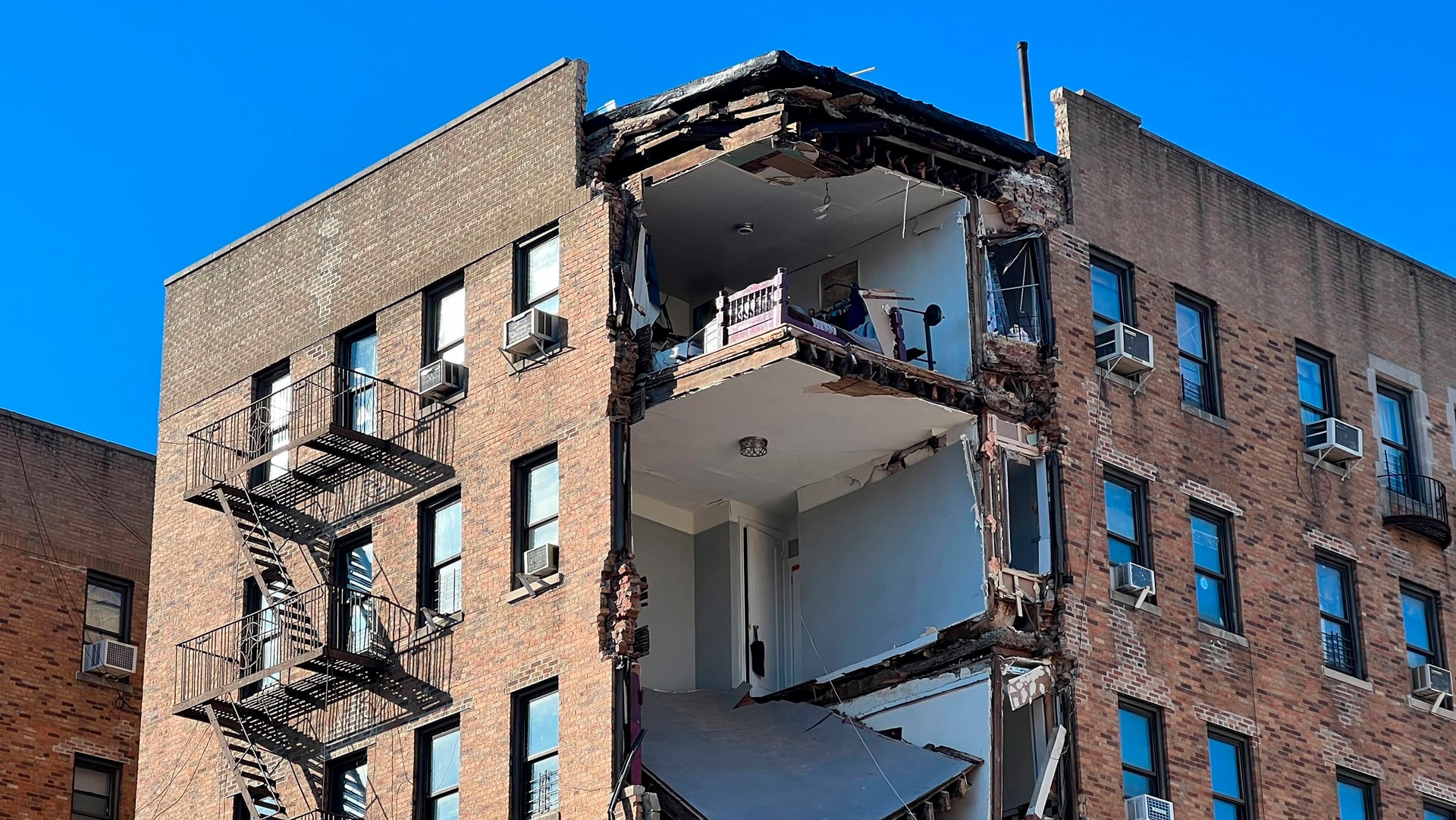
The scope of application of the Law is shaped around three basic concepts: risky structure, risky area, and reserve building area. A risky structure refers to structures that have completed their economic life or are determined to carry the risk of collapse or severe damage based on scientific and technical data. This determination can be made by the owners or ex officio by the administration. After the determination, the structure is registered in the land registry, owners are notified, and an objection period is granted within a certain timeframe. The aim is the systematic transformation of structures posing a danger at an individual scale.
4
A risky area, on the other hand, refers to regions declared by a Presidential decision, which carry the risk of causing loss of life and property due to their ground structure or the constructions built upon them. In these areas, transformation is not carried out on an individual building scale but with a holistic planning approach. The declaration of a risky area typically occurs in regions where a large portion of structures are unlicensed or technically inadequate, where infrastructure has collapsed, or where severe damage has occurred after a disaster. A reserve building area, on the other hand, refers to new settlement areas designated for use in transformation projects. These areas are not always necessarily risky; they often function as regions where new housing units are produced for right-holders to relocate from risky areas.

4
The institutional actors mentioned in the law are also important for its implementation. The Urban Transformation Presidency, clearly defined by Law No. 7471 in 2023, has been designated as the central executor of transformation processes. The Presidency has the authority to manage risky building identification, evacuation and demolition procedures, share sales, expropriation processes, and the financing mechanism. The concept of “Administration” encompasses municipalities, metropolitan municipalities, and, in relevant cases, provincial special administrations. Additionally, the Housing Development Administration of Turkey (TOKİ) can undertake tasks such as housing production, project development, and implementation in reserve areas.
It is observed that the Law has undergone significant changes over time. With Law No. 7181 (2019), Article 6/A was added, paving the way for ex officio implementation in high-risk structures without requiring owner consent. Law No. 7410 (2022) introduced accelerated procedures such as emergency evacuation and a two-day objection period, primarily aiming for the rapid evacuation of severely damaged structures. The most fundamental change was made with Law No. 7471 (2023). With this amendment, the previously required “at least two-thirds majority” condition was abolished, and the quorum for decisions was set as “the absolute majority of shareholders proportionate to their shares.” Thus, decisions can be made with a 50%+1 share ratio, and the shares of owners who do not participate in the decision can be sold through public auction at fair market value. This regulation has largely reduced the power of minority owners to block projects in urban transformation processes.
If an absolute majority cannot be achieved, the urgent expropriation mechanism can be activated. The Law allows for urgent expropriation based on Article 27 of Expropriation Law No. 2942. With this method, a portion of the property’s value is paid in advance, ensuring the transfer of ownership, and the project can be implemented without delay. Especially in areas with high disaster risk in large cities, this regulation is used as a tool to accelerate transformation.
From a financing perspective, applications under the Law are carried out through the “Urban Transformation Projects Special Account.” Environmental contributions, certain public revenues, sales revenues, and interest subsidies are collected in this account and transferred to projects. With the amendment numbered 7566, it is foreseen that this special account will continue until 31/12/2027.
In conclusion, Law No. 6306, while initially a transformation law aimed at protection against disaster risk, has transformed, with the amendments made, into a comprehensive transformation regime that strengthens the central administration’s powers, accelerates decision-making processes, and can directly intervene in property relations. In its current form, the system attempts to strike a delicate balance between public safety, urban planning principles, and property rights, but it also brings along legal and constitutional debates, especially concerning the simple majority and urgent expropriation regulations.
How is the Entire Legal Process, from Risky Structure to Contract, Managed in the Urban Transformation Process?
As 2M Law Office, we manage all steps in urban transformation cases, starting with ‘the decision to deem a structure risky’ and progressing to ‘the signing of the construction contract in exchange for land share + licensing/occupancy stages,’ in accordance with the procedure and notification regulations stipulated by the legislation, through a step-by-step consultancy model. This page has been prepared in the format of a ‘main menu explanation page,’ explaining step-by-step the decision-making processes that enable owners to act together, the agreement and sale procedures, the notification/announcement system, and the thresholds that most frequently lead to loss of rights in practice. (Procedures such as ‘headman’s office announcement/e-Government notification’ in the agreement–notification–sale line, and the share sale mechanism are detailed in the Law.)
1) Formation of the Board of Representatives of Unit Owners and Provision of Archives in the Urban Transformation Process
The first practical step for the successful progress of urban transformation is to manage the scattered communication of the building owners through a single channel and to gather all historical documents “in a single file.” At this stage, the job description of the board of representatives, the scope of authorizations to be obtained from the owners, the arrangement of minutes/notifications/powers of attorney, past management documents, land registry records, architectural project, occupancy permit/license, reinforcement reports, municipal correspondences, maintenance/common expense records, and, if any, past warnings/dispute documents are collected. The goal is to prevent delays due to “lack of evidence and data” during technical reports, zoning reviews, and contract negotiations in subsequent stages.
2) Preparation, Approval, and Demolition Procedures of the Risk Report
Identifying a risky building is the official starting step of the transformation. In practice, the correct preparation of the report and the procedural progress of the report–notification–objection–finalization process are critically important; because subsequent demolition and project steps proceed based on this finalization. Following the identification of a risky building, demolition organization, evacuation plan, informing owners–tenants–holders of limited real rights, and actual delivery processes are planned. The law also regulates mechanisms such as notification/announcement and share sale in transformation applications.
3) Creation of Technical Specifications within the Scope of Urban Transformation
The technical specification is a document that outlines not only “what will be done” but also “at what quality standard it will be done.” Creating a technical specification before signing the contract reduces potential disputes regarding issues such as material/workmanship/common area standards in the future. At this stage; concrete-steel class, insulation details, exterior facade, common areas, elevator, fire safety, parking, shelter, independent section interior manufacturing standard, brand/model preferences, and delivery criteria are clarified item by item.
4) Collection of Prices from Contractors with Technical Specifications and Current Zoning Status
Although this step may seem like “market research,” it is actually a legal risk reduction step. Because when bids are not received with the same technical specifications and the same zoning data; bids cannot be truly compared, and property owners may later be drawn into a “promised quality / actual construction” dispute. At this stage, current zoning status, floor area ratio (FAR), setback distances, height, and requirements such as parking/fire safety are examined from the municipality; accordingly, the bid format is standardized.
5) Selection of the Construction Contractor and Creation of Draft Projects
Contractor selection should not only be based on price/number of units; it should also be evaluated considering financial adequacy, past project performance, work schedule, collateral structure, subcontractor organization, and ability to comply with the contract. At this stage, draft projects concretize the owners’ expectations regarding the “square meter–privilege–floor/facade balance.” Thus, potential dispute points are identified before the contract is signed.
6) Signing a Notarized Contract with Property Owners Who Have Reached an Agreement within the Scope of Urban Transformation
Signing the contract is the “most costly threshold to reverse” in the transformation process. At this stage, the construction contract in exchange for land share and its annexes (technical specifications, delivery schedule, penalty clauses, guarantees, rental assistance/relocation plan, privilege table, project approval mechanism, termination and default procedures) are considered together. Furthermore, the decision texts of the owners and the content of the offer must be carried out in accordance with the notification/announcement regulations in the law.
7) Building Common Decision Protocol
The joint decision protocol ensures that owners “converge on the same text.” The areas where most problems arise in practice are; representation authority, signature/power of attorney arrangements, tenant–owner coordination, common area usage, cost sharing, and the notification of the decision. The law clearly regulates the notification of the agreement terms to the owner who did not participate in the decision, either through a notary or by announcement at the mukhtar’s office, and specifies when the announcement is deemed to have been made.
8) Completion of Incomplete Contracts and Follow-up of Loan Procedures
After the contract is signed, it is often thought that “everything is done”; however, in practice, most disruptions occur at this stage. Missing signatures, power of attorney/representation issues, completion of necessary documents for the title deed transaction, financing plan, bank correspondence, and the establishment of collateral are followed up. The goal here is to complete the “file integrity” before the licensing process begins.
9) Preparation of Projects and Building Permit Procedures
The permit ensures that the project is approved by the administration and construction can legally commence. Architectural, structural, mechanical, electrical projects; soil survey; requirements such as fire/parking/shelter, and the municipal approval process are planned. At this stage, the administrative application file and the follow-up of missing documents are diligently managed to prevent delays in the work schedule.
10) Occupancy Permit Procedures (Occupancy Certificate)
The occupancy certificate is the final critical threshold for the safe completion of delivery and title deed processes. In practice, the completion of unfinished works before obtaining the occupancy certificate, the delivery standard of common areas, subscription processes, transition to site management, and handover-takeover minutes are meticulously conducted.
Demolition Process
The main topics during the demolition process include the legal execution of the evacuation plan, the actual emptying of the property, compliance with law enforcement/administrative procedures, the evacuation of belongings, electricity-water-natural gas cut-off procedures, and the safe execution of the demolition. The process does not end after demolition with a simple “the plot is empty”; on the contrary, decision-making and the project/license process accelerate. Furthermore, in cases where an agreement cannot be reached, the Law provides for mechanisms such as share sale, headman’s office announcement, and public auction.
Agreement Process
The agreement process progresses around the standardization of the offer, the goodwill balance, contractor selection, contract negotiation, and the proper establishment of co-owner decisions. Particularly, details such as the ability to notify owners who do not participate in the decision via a notary or headman’s office announcement and “on which date the announcement shall be deemed to have been made” directly affect potential cancellation/title deed disputes that may arise later.
Financial Rights
In urban transformation, “financial rights” are not limited to rent/relocation support; they also include issues such as the balance of sharing in exchange for land shares, delay compensations, penalty clauses, letters of guarantee, insurance/work program sanctions, the sharing of common expenses, fair value-sale price disputes, and how price differences will be addressed during the sale process, if necessary. The Law includes regulations on how to proceed even in scenarios such as the cancellation of a sale transaction or price calculation.
Risky Areas
Statuses such as risky areas and reserve building areas strengthen the administrative side of the transformation and may increase the role of the Presidency/TOKİ/Administration in the process. In these areas, agreement, transfer, sale, and implementation steps should be evaluated in conjunction with the special procedures in the Law.
Why is Expert Lawyer Support Necessary in the Urban Transformation Process? (2M Law Office)
Urban transformation cases are processes that can lead to significant loss of rights “in a single error” due to numerous property owners, varying interests, extensive notification/announcement procedures, technical project-zoning data, and high economic value. In particular, ensuring the legal security of the process at stages such as (i) decisions being made with the correct majority and correct text, (ii) proper execution of notifications to owners who do not participate in the decision, (iii) complete structuring of contract appendices (technical specifications, collateral, penalty clause, delivery-occupancy permit), and (iv) sales/auctions; requires professional follow-up. Since details such as neighborhood headman announcements, e-Government notifications, auction procedures, and the notification of decisions made by a simple majority are clearly regulated in the Law, it is important to manage the process within this framework.
2M Law Office; based in Istanbul, with a consultancy approach that handles the process end-to-end, “from risky structure to contract,” in the field of urban transformation and real estate law; provides active legal support, especially in cases concentrated in the Istanbul Anatolian Side and surrounding provinces.
In conclusion, 2M Law Office:
1- Conducting the necessary legal studies regarding the legal framework of building renovation activities carried out within the scope of the Urban Transformation Law and its Implementing Regulation.
2- Preparation of construction contracts between site management and contractors, and between property owners and contractors, in exchange for apartment ownership, in a manner that does not lead to rights violations or complaints from property owners.
3- Efficient execution of administrative appeal procedures regarding reports prepared within the scope of urban transformation legislation.
4- To carry out the necessary legal work to protect the rights of property owners and prevent complaints arising from legislative gaps in accordance with Law No. 6306 and related regulations.
5- Preparation of the necessary legal framework for decision-making procedures of property owners and the establishment of the Representatives Committee during the renovation process of buildings or residential complexes subject to urban transformation.
6- Establishment of a decision-making mechanism for property owners regarding building reinforcement, which is accepted as an alternative to demolition in urban transformation processes.
7- Monitoring and finalizing land share adjustment lawsuits during the urban transformation process
8- Execution of necessary procedures for the issuance of a Building Registration Certificate within the scope of the new Zoning Amnesty regulation.
Contact us for information about urban transformation.